
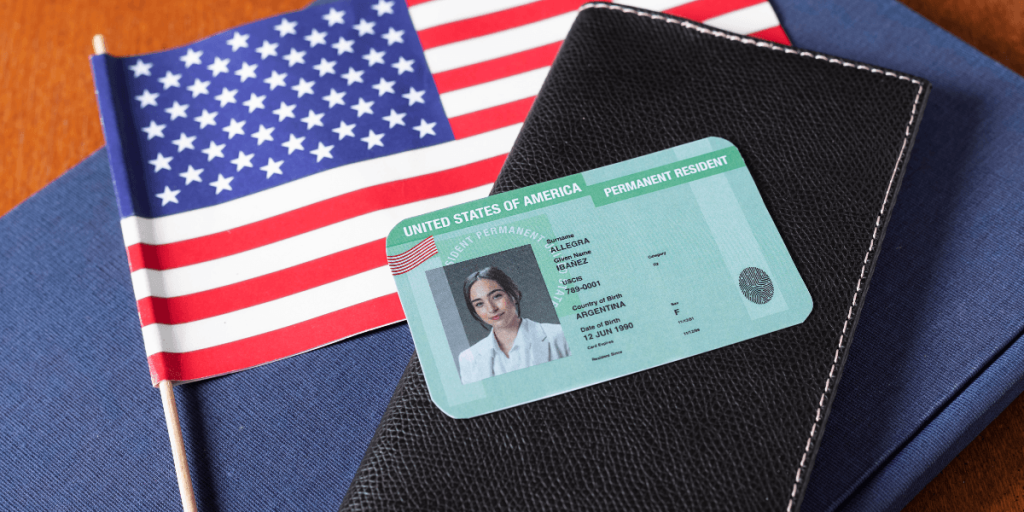
Identification cards play a major role in everyday life across the United States. People use them while opening bank accounts, boarding domestic flights, applying for jobs, accessing healthcare services, and verifying age or identity online. Since IDs carry sensitive personal information, strong security measures have become extremely important.
Today’s US ID security features combine advanced printing methods, digital verification tools, biometric compatibility, and hidden authentication elements. These features help authorities confirm authenticity quickly while making counterfeiting much more challenging.
Security Features Found In US ID Cards
1. Holograms and Optical Security Features
Embedded Holograms:
Holograms are among the most recognizable security features found on US identification cards. These reflective images become visible when the card moves under light. Many states include official seals, symbols, or historical images within holographic overlays. A properly designed hologram on an ID card surface is extremely difficult to duplicate accurately because it requires advanced manufacturing equipment and specialized materials.
Optically Variable Ink:
Optically variable ink changes color based on the angle from which it is viewed. This feature appears on many driver’s licenses, federal IDs, and passports. This feature works especially well during visual inspections because trained personnel can verify authenticity within seconds.
Laser Images and Ghost Images:
Ghost images are faded secondary photographs printed directly onto the ID card. These smaller duplicate images typically appear near the primary photo and add another verification layer. Laser engraving technology creates these images beneath the card surface instead of printing them on top. This process makes alterations extremely difficult because changing one part of the card usually damages the entire structure.
2. Barcode and Magnetic Stripe Technology
PDF417 Barcodes:
PDF417 barcodes are commonly found on the back of driver’s licenses and state IDs. These barcodes store encoded personal information linked to the cardholder’s identity. Verification systems can scan these barcodes instantly to confirm details like name, address, date of birth, and license status. If barcode data does not match the visible information printed on the card, the document may be fraudulent. The use of barcode and magnetic stripe ID systems has improved speed and accuracy during identity checks across many industries.
Magnetic Stripes:
Magnetic stripes were more common on older IDs, but still appear on some identification cards today. These stripes store digital information that can be read through specialized scanning devices. Although magnetic stripe technology is older than barcode systems, it still supports quick data access during verification procedures.
QR Codes On Modern IDs:
Some modern identification systems now include QR codes for digital verification purposes. These codes may link to encrypted databases or secure identity platforms. QR technology supports faster mobile verification and helps organizations confirm information using digital authentication tools.
3. Microprinting and Fine Line Patterns
Microprinting involves extremely small text that appears almost invisible to the naked eye. Under magnification, inspectors can read hidden words, serial numbers, or state identifiers embedded within the card design. Counterfeiters struggle to reproduce microprinting accurately because ordinary printing equipment cannot generate such precise detail.
Fine line patterns also strengthen ID security. These intricate background designs create complex visual textures that become distorted when copied or scanned improperly. Many modern IDs combine microprinting with guilloche patterns, hidden line structures, and layered graphics to strengthen counterfeit detection systems.
4. UV Features and Invisible Inks
Ultraviolet Images:
Ultraviolet features remain invisible under standard lighting conditions but become visible under blacklight or UV scanners. States often embed hidden symbols, signatures, state outlines, or date markings within the card surface. Law enforcement officers frequently use UV lights during roadside checks or fraud investigations.
Invisible Ink Technology:
Invisible inks provide another hidden authentication layer. Some markings only appear under specialized equipment, while others disappear under infrared scanning. These covert features make duplication far more difficult because counterfeit producers rarely have access to the required printing materials or detection technology. Invisible security elements also support automated verification systems used by airports, banks, and government agencies.
5. Biometric and Digital Security Features
Facial Recognition Compatibility:
Many modern IDs support biometric verification systems that compare facial features against stored identity records. Airports, border checkpoints, and government facilities increasingly use facial recognition tools during identity screening procedures. ID cards are now designed with photo quality standards that support accurate biometric scanning.
RFID and Smart Chip Technology:
Enhanced IDs and passports often include RFID chips or embedded smart cards that store encrypted identity information. These electronic chips support faster verification while adding another layer of protection against duplication. Federal agencies and the Department of Defense commonly use this technology for identification cards.
Digital Identity Integration:
Digital identity systems continue growing across the United States. Physical IDs are now becoming connected with mobile wallets, online authentication platforms, and secure digital verification services. Several states have already introduced mobile driver’s licenses that work alongside physical identification cards.
Differences Between State IDs And Federal IDs
Driver’s Licenses:
Each state designs its own driver’s licenses with unique layouts, graphics, and security features. While states follow federal standards in many areas, visual designs still vary significantly. Common driver license security features include holograms, ghost images, UV markings, and barcode systems.
REAL ID-Compliant Cards:
The REAL ID Act introduced stricter federal standards for state-issued identification documents. Most compliant IDs now display a star symbol near the upper corner of the card. These REAL ID features in the USA confirm that the document meets federal travel and identification requirements. REAL ID cards also require stronger identity verification during issuance.
From New York to California, IDpapa provides the most reliable fake ID in the USA for customers who demand scannable, up-to-date identification.
US Passports and Passport Cards:
US passports contain some of the most advanced security features used in federal identification documents. These include embedded chips, specialized paper materials, watermarks, UV printing, and encrypted biometric data. Passport cards also contain machine-readable zones and RFID technology for faster border processing.
Closing Summary
US identification cards contain multiple layers of protection designed to reduce fraud and improve identity verification. Holograms, UV markings, microprinting, barcodes, biometric compatibility, and smart chip technology all work together to strengthen document security. As identity fraud continues evolving, government agencies and businesses will continue improving authentication systems and introducing stronger anti-counterfeit ID features across modern identification documents.
Understanding these US ID security features helps consumers, businesses, and security professionals recognize how modern IDs protect sensitive personal information while supporting safer verification systems across the United States. Stop trusting outdated sellers and get a fake ID online from IDpapa, where industry-leading printing equipment guarantees scannable results.