
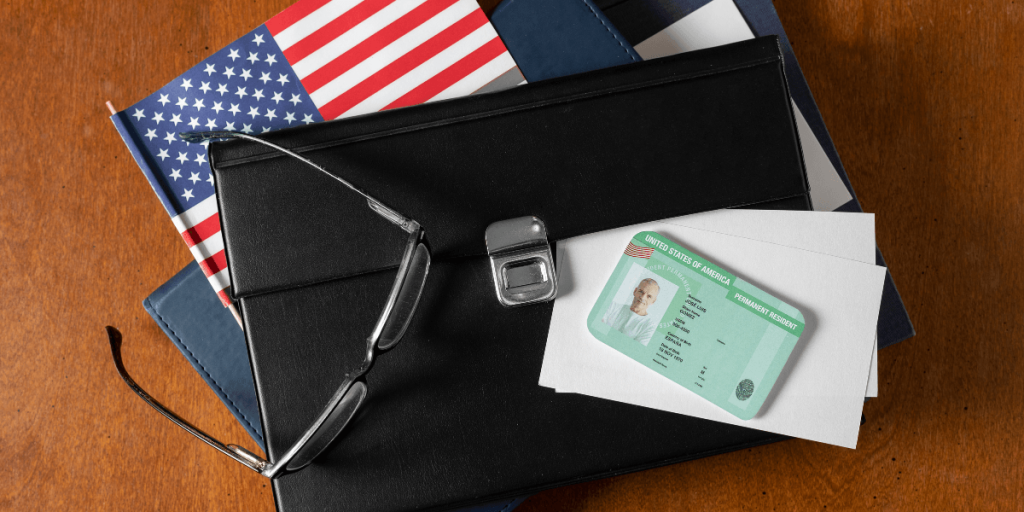
Identity checks have become a normal part of daily life in the United States. People verify their identities when opening a bank account, applying for a job, booking a flight, accessing healthcare portals, or signing up for online services. The increase in online fraud and identity theft has compelled companies to enhance their security systems. Organizations now rely on advanced identity verification systems that combine document checks, biometric scans, database matching, and artificial intelligence. Knowing how identity verification works can help consumers feel more confident while using digital services.
In this guide, we will explain the complete ID verification process in the USA, including the technologies, legal requirements, and common methods used across different industries.
What Is ID Verification?
ID verification is the process of confirming that a person is truly connected to the identity they present. This usually involves reviewing government-issued documents, personal details, biometric data, or digital records. Many people confuse identity proofing with authentication, but they are slightly different. Identity proofing happens when a system first confirms someone’s identity using official records or documents.
Organizations use identity verification for several reasons. Security remains one of the biggest priorities because cybercrime continues to increase every year. Businesses also need to follow compliance rules tied to financial regulations, data protection laws, and anti-fraud standards. Modern companies now depend heavily on identity authentication in the US to protect customer information and maintain trust.
Why ID Verification Is Required in The US
Legal and Regulatory Reasons
Federal regulations strongly influence identity verification practices across the United States. Banks, healthcare providers, government agencies, and online platforms must follow compliance rules that help prevent fraud and criminal activity. KYC, or Know Your Customer requirements, require financial institutions to verify identities before opening accounts or approving major transactions.
AML regulations also require organizations to monitor suspicious activity and validate customer identities. Agencies like the IRS, Social Security Administration, and Department of Homeland Security rely on secure verification systems to protect sensitive information as digital services continue expanding.
Security and Fraud Prevention
Identity verification also helps reduce fraud and cybercrime. Criminals often use stolen personal data to access accounts, apply for loans, or commit financial fraud. Verification systems reduce these risks through security checks during account registration and login processes.
Businesses use tools like biometric verification, multi-factor authentication, and database checks to protect user accounts against unauthorized access. As digital transactions continue growing, verifying identity online in the USA remains an important part of modern cybersecurity systems.
Types of ID Documents Used in The US
Several official documents are commonly used during identity verification procedures in the United States.
- A driver’s license remains one of the most widely accepted forms of identification. Each state issues its own licenses, but federal standards now apply under REAL ID requirements.
- US passports also serve as highly trusted identification documents because they include advanced security features and federal verification standards.
- State identification cards work similarly to driver’s licenses and are commonly used by individuals who do not drive.
- Social Security Numbers play a major role in financial and employment verification processes. Many organizations cross-check SSNs against official databases to confirm identity records.
- Utility bills are often requested during address verification checks. These documents help confirm residential information linked to an applicant’s identity.
Many verification systems combine several forms of documentation to create stronger identity confidence scores during the approval process. If you need access in Houston, Dallas, or Austin, then IDpapa delivers a v that passes machine scans and visual inspections every single time.
How ID Verification Works Step-By-Step
Step 1: Document Submission
The process usually begins when a user submits an identification document online or presents it in person. For digital verification, users typically upload photos of a driver’s license, passport, or state ID using a smartphone or webcam. The system guides the user through image capture instructions to improve clarity and accuracy. Clear document images are extremely important because blurry photos can delay verification or trigger manual reviews.
Step 2: Data Extraction
After document submission, the system uses Optical Character Recognition technology, commonly called OCR, to extract information from the ID. OCR software processes various text fields. The extracted information then moves into automated verification workflows. Modern OCR tools can process documents within seconds, which significantly speeds up onboarding procedures for businesses and government agencies.
Step 3: Authenticity Check
Once the document data is extracted, the system checks if the identification document is genuine. Verification software analyzes security features like holograms, fonts, watermarks, spacing patterns, and barcode structures. Artificial intelligence tools can detect manipulated images, fake documents, or suspicious inconsistencies. Many modern platforms also compare uploaded IDs against known fraud databases to identify forged or stolen documents. This stage is a major part of the government ID verification system used across financial institutions and digital service providers.
Step 4: Database Verification
The next stage involves matching the user’s information against official or third-party databases. Verification providers may cross-check identity records using DMV databases, credit bureau files, public records, or mobile carrier information. These checks help confirm that the identity details belong to a real person. Some systems also analyze device intelligence, location data, and behavioral patterns to calculate fraud risk levels. Database verification adds another layer of confidence before account approval or transaction authorization occurs.
Step 5: Liveness or Biometric Check
Many online verification systems now include biometric verification to confirm physical presence. Users may be asked to take a selfie, record a short video, blink, smile, or move their head during the verification session. Facial recognition technology then compares the live image against the photo shown on the uploaded ID. Liveness detection helps prevent spoofing attacks involving printed photos, edited videos, or deepfake technology. Biometric verification has become one of the fastest-growing security methods used in digital onboarding systems across the United States.
Step 6: Approval or Rejection
After all verification checks are completed, the system makes a final decision. If the submitted information matches successfully, the identity receives approval. The user can then access the requested service, account, or platform. If inconsistencies appear during the process, the system may reject the verification attempt or request additional documentation. In some cases, trained specialists manually review flagged submissions to reduce false rejections.
Technologies Behind ID Verification
Modern identity verification systems rely on advanced technology to improve speed, accuracy, and fraud detection. Artificial intelligence helps analyze patterns, detect suspicious activity, and identify fake documents. Machine learning systems become smarter over time as they process larger datasets and fraud attempts. OCR technology remains one of the core tools used during document verification because it automates data extraction and reduces manual work.
Biometric authentication continues to gain popularity due to its convenience and security advantages. Facial recognition, fingerprint scans, and voice authentication now appear in many mobile applications and financial platforms. Blockchain technology is also gaining attention in digital identity discussions. Some experts believe decentralized identity systems may offer stronger privacy controls and improved data ownership in the future.
Final Thoughts
Identity verification plays a major role in modern life across the United States. Businesses, healthcare providers, financial institutions, and government agencies rely on secure systems to confirm identities and protect sensitive information. Today’s verification methods combine document analysis, database matching, biometric authentication, and artificial intelligence to create safer digital environments. As online services continue growing, strong identity verification systems will remain essential for reducing fraud and protecting consumers.
Ready to stop worrying about poor quality cards? IDpapa is the only place to buy fake ID online with bank-level authentication. Get in touch with us to order yours!