

From Basement Parties to Viral Clips: The Journey of Fake IDs as Pop Culture Staples
From Basement Parties to Viral Clips: The Journey of Fake IDs as Pop Culture Staples
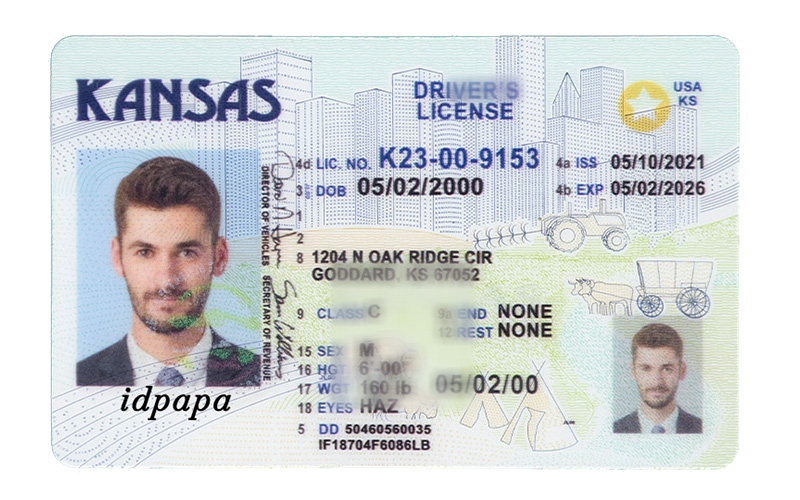
Fake IDs have traveled a long road through the lanes of popular culture. What once was whispered about at high school hangouts or tucked inside a wallet at a basement party has now become a cultural artifact, a comedy tool, and even a collectible. Their journey mirrors the shifts in youth culture from rebellion, to humor, to creativity, and finally to digital storytelling. Today, novelty IDs are no longer just props for sneaking into a party they are central to Gen Z’s humor, identity play, and social belonging.
This blog explores how fake IDs have moved from party lore into viral culture, how platforms like Idpapa empower creators with high-quality novelty props, and why these cards remain deeply embedded in entertainment and identity today.
The Early Days: Fake IDs as Party Legends
For decades, fake IDs were tied to teenage rebellion. Movies and TV shows in the 1980s and 1990s often portrayed them as the golden ticket to adulthood whether to buy alcohol, sneak into clubs, or crash an event. These stories gave IDs a legendary aura, making them a rite of passage in pop culture.
In real life, they carried risk, but in entertainment, they carried laughs. Comedies often used them as plot devices to expose awkwardness, highlight authority figures, or show the absurd lengths young people would go to appear older. Even at basement parties, flashing a fake ID wasn’t about fooling anyone it was about sharing a laugh.
Comedy Reimagined: IDs as Punchlines
Fast forward to the 2000s and beyond, and the meaning of fake IDs shifted. They became less about sneaking past rules and more about making fun of the rules themselves. Audiences began to see them as props for comedy rather than contraband.
Everyone knows what an ID looks like, so the humor lands instantly. A card claiming someone is “127 years old” or works as “Professional Napper” needs no explanation. Fake IDs succeeded because they combined familiarity with absurdity. They became punchlines in plastic form.

Viral Culture: The TikTok Revolution
With TikTok’s rise, fake IDs exploded into a new role. Short-form content thrives on fast jokes and quick recognition exactly what a fake ID provides. A quick flash of a card can tell an entire story in under ten seconds.
Creators use novelty IDs for:
●Roasts (highlighting absurd birth dates).
●Character skits (introducing alter egos with proof).
●Reaction duets (flashing IDs for comic timing).
●Party montages (cards as souvenirs of a night out).
This adaptability has made fake IDs part of viral meme currency. Each creator builds on the last, remixing the concept endlessly.
Identity Play: The Rise of Instant Personas
Beyond humor, novelty IDs tap into a deeper Gen Z trend: identity fluidity. Young people move between roles effortlessly student, gamer, entrepreneur, comedian. Fake IDs make that playfulness tangible.
Holding a card with your own face but a new identity is liberating. It’s a reminder that identity doesn’t have to be fixed. It can be fun, performative, and flexible. Fake IDs offer permission slips for experimentation, encouraging laughter and self-expression in the process.
Dorm Rooms and Beyond: Where Fake IDs Live
Fake IDs aren’t limited to TikTok. They thrive in everyday spaces too.
●Dorm Culture Students create “ID walls,” collages of novelty cards celebrating milestones and inside jokes.
●Comedy Clubs Performers use them as part of stand-up or improv skits.
●Collectibles Some keep novelty IDs as souvenirs of friendships or events.
●Parties Cards act as icebreakers, sparking laughter among strangers.
What began in basement parties has now expanded into mainstream entertainment spaces, both offline and online.
Why Quality Matters
Comedy works best when props feel authentic. That’s why creators and collectors look for reliable novelty IDs that feel real enough to sell the joke but remain firmly in the realm of parody.
Platforms like Idpapa specialize in novelty IDs designed for entertainment. They offer a streamlined process for anyone looking to craft instant personas:
●Browse the Shop for designs.
●Order with custom details.
●Learn how to take fake ID photos for the best results.
●Review how to pay securely.
●Manage your login to track orders.

Fake IDs in Regional Stories
The global appeal of novelty IDs also takes on local flavors. Idpapa’s related explorations highlight how these props show up in different places and contexts:
●The Best Fake Driving License From Idpapa: A Comprehensive Review explains design standards.
●Why Choose Idpapa for Your Illinois Fake ID covers regional trust.
●Missouri’s Go-To Source shows local creators’ preferences.
●Behind the Scenes in New York reveals the detail-oriented process.
●The Dorm Room ID Wall explores how IDs become creative collages.
Together, these stories show that fake IDs are not just props they are regional, cultural, and creative phenomena.
From Party Staple to Cultural Symbol
The journey of fake IDs reflects the evolution of youth culture itself. They’ve moved from underground symbols of rebellion to mainstream comedic staples and creative tools. Their cultural power lies in their adaptability they can be a joke, a collectible, or even a storytelling device.
And as long as identity remains fluid, fake IDs will remain staples of pop culture. They’ve gone from basement parties to viral clips, and their story is still being written.

Wrap Up: The Lasting Appeal of Plastic Comedy
Fake IDs endure because they connect to something universal: identity. They make us laugh at authority, laugh at ourselves, and laugh at the rules that try to define us. For Gen Z, they’re not just props they’re passports to creativity.
With platforms like Idpapa leading the way, novelty IDs have cemented themselves as cultural icons. What started as a quiet joke in a basement has become a loud, viral laugh across the world.