
University Crackdowns on Fake IDs: Campus Policies and the Changing Culture of Student Identity
University Crackdowns on Fake IDs: Campus Policies and the Changing Culture of Student Identity
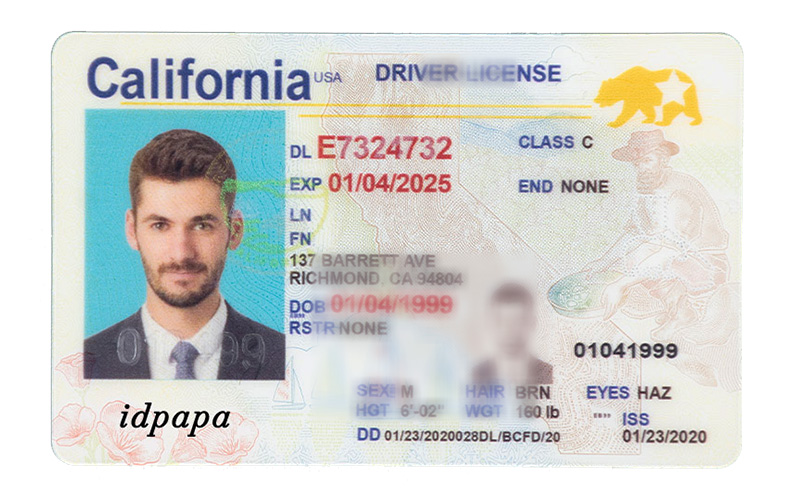
College is often painted as a time of freedom, fun, and exploration, but behind the social scenes, there’s a growing concern on many campuses: the use of fake IDs. For decades, students have used forged identification to access clubs, purchase alcohol, or attend 21+ events. But as fake ID technology gets more sophisticated—and more accessible—universities are cracking down like never before.
From digital verification systems to student conduct reforms, this blog dives into the evolving campus policies on fake IDs, the risks students face, and what institutions are doing to strike a balance between enforcement and education.
Why Are Universities Getting Stricter?
The rise of advanced printing technology and online services has made fake IDs easier to get and harder to detect. Campuses across the U.S., Canada, the UK, and beyond are seeing an uptick in incidents involving underage drinking, identity fraud, and even legal entanglements tied to counterfeit documents.
Universities are responding because:
●Fake IDs can lead to legal liabilities for the institution
●Off-campus incidents involving alcohol often reflect back on the school
●Campuses want to promote student safety and reduce high-risk behavior
●There is pressure from local law enforcement and state agencies to comply with age-restriction laws
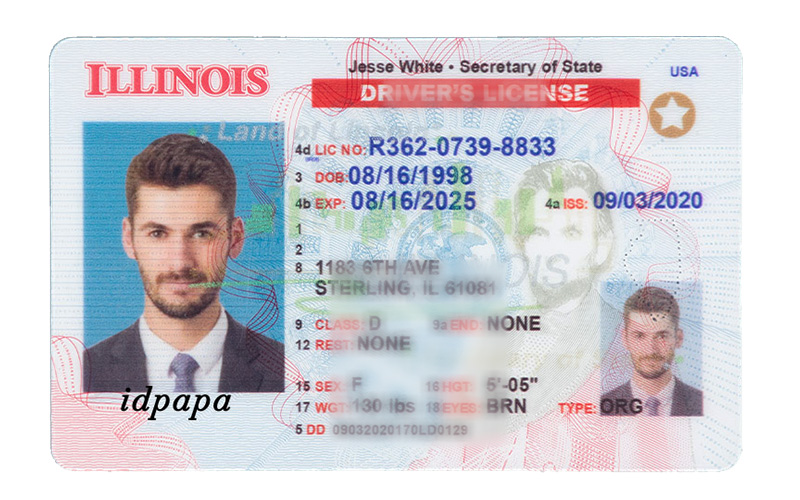
The result? Many schools are redefining their disciplinary policies, investing in AI-powered scanners, and partnering with local authorities to clamp down on the use of fraudulent IDs.
What Happens if You’re enjoying With a Fake ID on Campus?
Many schools are integrating fake ID Order violations into their broader student conduct policies, treating them as violations of trust and community standards—not just youthful mistakes.
At one major university in the U.S., possession of a fake ID is now categorized under “dishonesty and falsification of records,” the same section that governs plagiarism and academic fraud.
Education Over Punishment: New Approaches Emerging
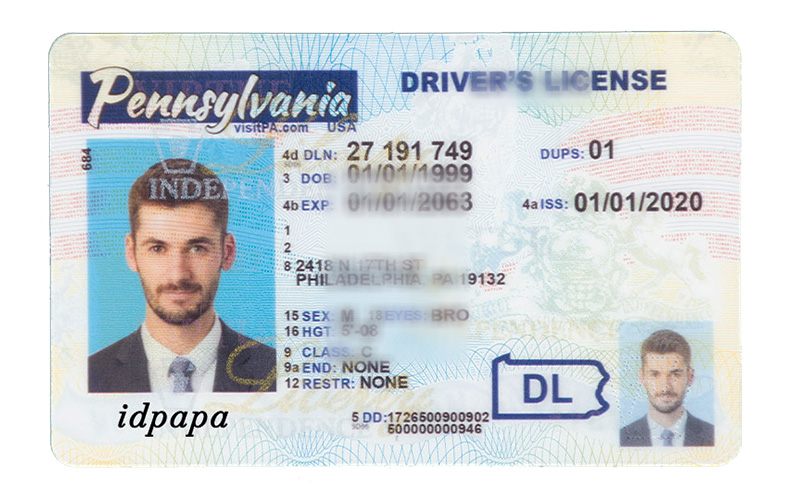
Rather than simply penalizing students, some universities are embracing educational models to tackle the fake ID problem. These programs aim to teach students about:
●The legal risks of using or possessing fake IDs
●The impact on future employment or immigration processes
●The connection between fake ID use and substance abuse or risky behavior
Orientation programs, peer-led workshops, and awareness campaigns are being used to shift the culture around ID misuse.
A student from California shared: “I didn’t realize that having a fake ID could affect my grad school application. That changed how I viewed it.”
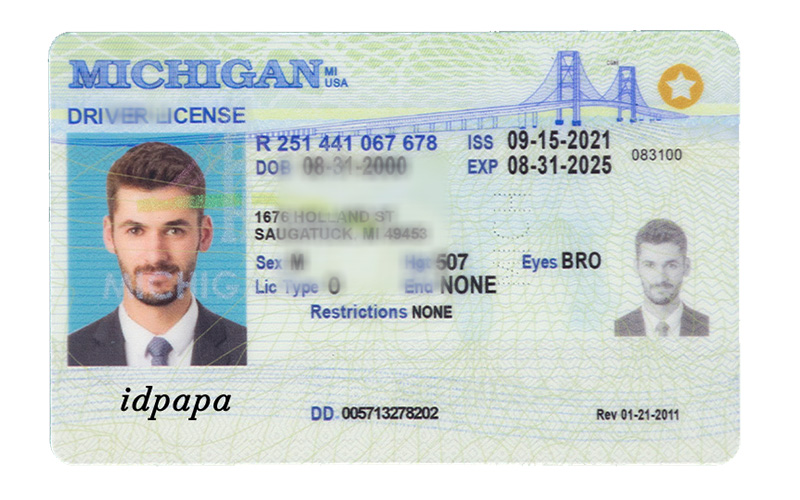
Technology Joins the Fight
Modern universities aren’t just relying on security guards at the door. They’re embracing tech-driven ID verification systems, especially in dorms, event halls, and student bars.
Some innovations include:
●Mobile scanning tools that detect holographic inconsistencies or altered fonts
●AI-powered databases that compare ID information with official registries
●Biometric access using fingerprint or face recognition for event entry
●Campus police partnerships with DMV systems to cross-check suspected forgeries
These tools are now part of a wider ecosystem of digital student identity management, which includes ID apps, meal card access, and academic portals.
Cultural and Ethical Conversations
Not everyone agrees on how fake IDs should be handled. Some argue that harsh penalties are disproportionate, especially when fake ID use is treated more seriously than minor theft or academic cheating.
Others believe universities are right to draw the line, especially considering the public health risks of underage drinking and liability issues.
There’s also the question of equity: international students, for example, may be at greater risk of severe consequences—such as visa issues—if caught with a fake ID.
Universities must carefully navigate these grey areas while remaining consistent in enforcement.
The Student Perspective: “It Was Just to Have Fun”
Many students view fake IDs not as acts of rebellion, but as tools for social inclusion. Attending a birthday party at a club, joining older peers at a concert, or avoiding judgment for not having an ID—these are common motivations.
Some students have even turned to online platforms like , sharing testimonials such as:
“I bought this card from and it helped me to party freely without drama. But I knew where to draw the line.”
This points to a shifting culture where identity tools are less about deception and more about navigating rigid age-based systems in a world of social freedom and digital fluidity.
Where Do We Go From Here?
Universities are at a crossroads. The issue of fake IDs isn’t going away—but how they respond will shape campus culture for years to come.
Forward-thinking institutions will:
●Combine strict policies with compassionate education
●Invest in technology without over-policing students
●Ensure fair treatment across demographics
●Encourage open conversations about risk, freedom, and responsibility
Ultimately, it’s about creating an environment where students understand that maturity isn’t about the age on an ID—it’s about the choices you make with or without one.
✅ Final Thoughts
Fake IDs may seem like a small part of college life, but they represent much larger issues: identity, legality, peer pressure, and personal growth.
As campuses continue to evolve, one thing is clear: the days of flashing a cheap fake and breezing into a party are numbered. Universities are watching—and so is the tech.
If you're a student, ask yourself: is it worth the risk?
If you're a school administrator, ask: are we punishing or preparing?
Because in the end, how we handle fake IDs says a lot about the kind of campus culture we’re building.