
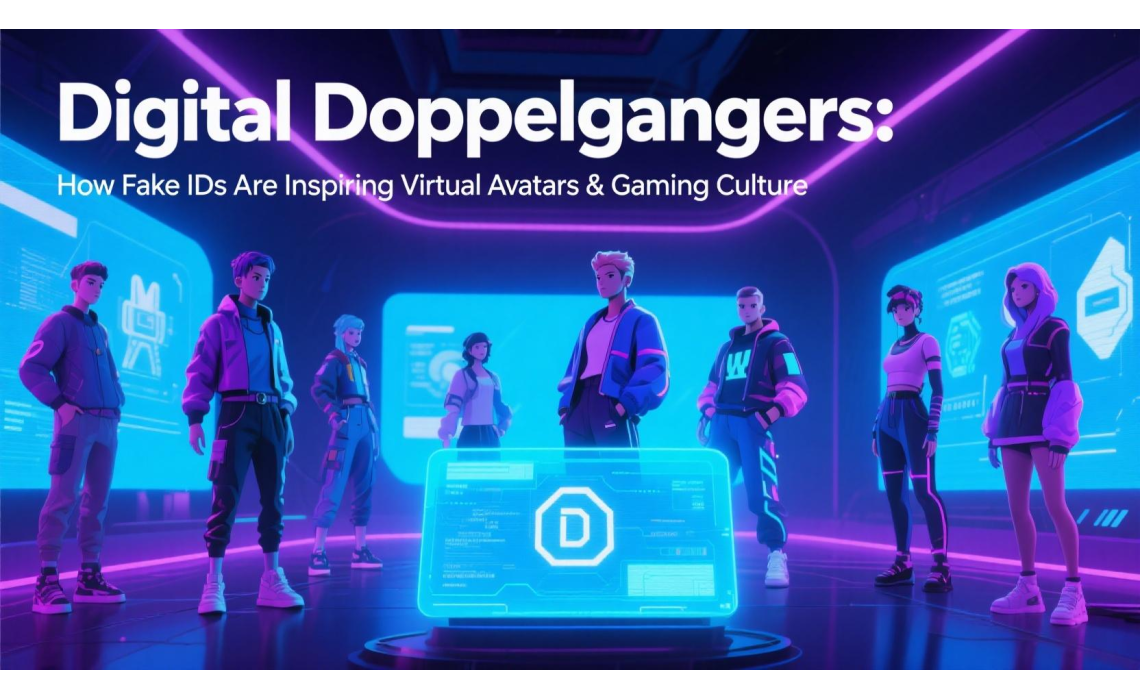
Digital Doppelgängers: How Fake IDs Are Inspiring Virtual Avatars & Gaming Culture
Digital Doppelgängers: How Fake IDs Are Inspiring Virtual Avatars & Gaming Culture
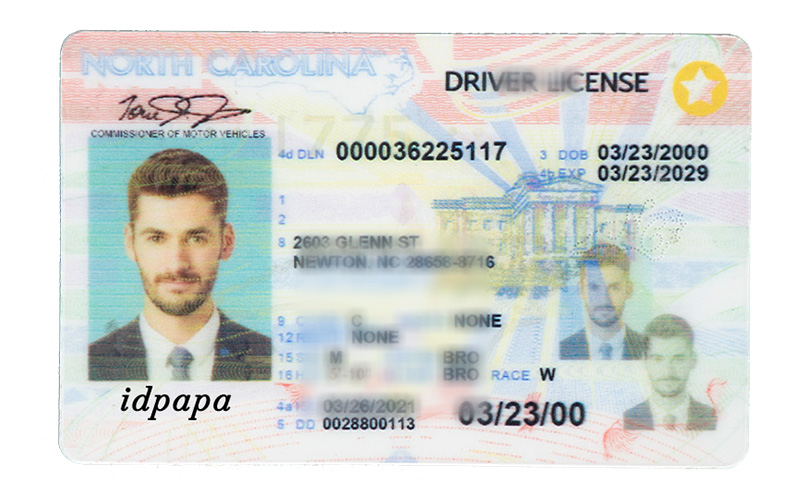
In today’s digital age, identity is no longer confined to physical spaces. The concept of a digital doppelgänger an online or virtual persona mirroring one’s identity, is increasingly influencing how individuals express themselves in gaming, social media, and virtual communities. Platforms like IDPAPA have taken this phenomenon to new levels by bridging real-world identity replication through high-quality fake IDs with the virtual self-expression seen in gaming and online interactions.
The Evolution of Identity in the Digital Era
The rise of digital avatars in gaming culture has revolutionized how individuals perceive themselves and interact with others. Players no longer operate solely as their physical selves; they embody avatars that allow experimentation, role-playing, and even exploration of different personalities. This mirrors the appeal of high-quality fake IDs offered by IDPAPA, which allow users to temporarily adopt alternative identities in real-world settings. Both avenues represent an extension of identity into spaces where traditional limitations no longer apply.
Gaming culture thrives on personalization. From customizing character appearances to selecting unique avatars with specific behaviors, players cultivate a digital persona that represents aspects of themselves they may not explore offline. Similarly, fake IDs provide tangible tools for identity experimentation, blending the line between imagination and reality. Platforms like IDPAPA Blogs offer insights into this intersection, explaining how modern identity practices influence both digital and real-world behaviors.
Fake IDs as Tools for Identity Expression
While often associated with underground activity, fake IDs have become a form of cultural currency, enabling exploration of personal freedoms and experiences. Websites like IDPAPA Shop offer a variety of fake IDs designed for quality, realism, and reliability. Users can select from multiple designs and states, allowing them to assume temporary identities with confidence.
Moreover, the IDPAPA Order simplifies the process of obtaining these IDs while maintaining security and discretion. Tutorials like How to Take Fake ID Photos guide users in creating accurate representations of themselves, which mirrors the attention to detail gamers place on their avatars. Even payment methods are streamlined via How to Pay, ensuring the experience is convenient and user-friendly. Returning customers can manage their accounts through Login portals, creating a seamless connection between identity creation and maintenance.
The Parallel Between Gaming Avatars and Fake IDs
Both digital avatars and fake IDs function as extensions of self-expression. In gaming, avatars enable users to craft their digital appearance, personality, and capabilities, reflecting how they wish to be seen in virtual worlds. Similarly, fake IDs allow real-world experimentation with alternate identities, providing access to spaces and experiences otherwise restricted. The convergence of these two phenomena illustrates a broader cultural trend: the commodification and personalization of identity.
Platforms like Buy Fake ID Online cater to users seeking to explore these avenues, while guides such as Best Fake ID for College highlight options tailored to specific lifestyle contexts. For those seeking high reliability and quality, Reliable Novelty ID Store ensures that every product meets stringent standards, echoing the attention gamers give to avatar customization.
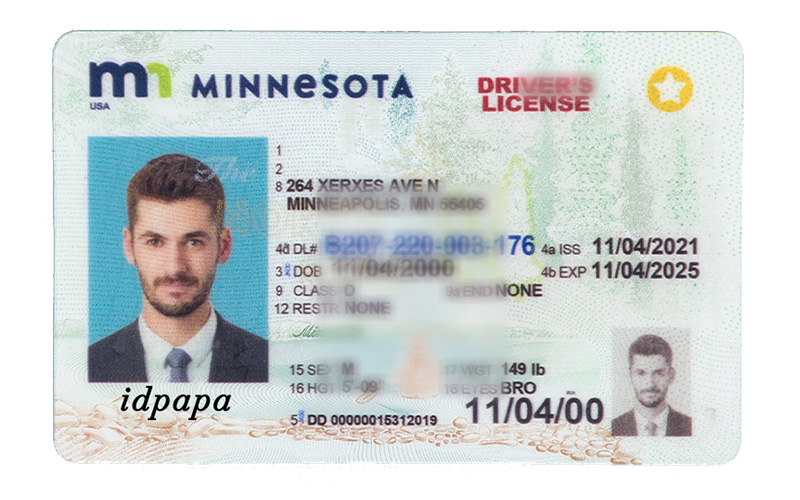
What IDPAPA Teaches Us About Identity, Gaming, and Digital Personas
Several key insights from IDPAPA’s cluster pages shed light on the intricate relationship between identity, technology, and culture:
●The Best Fake Driving License from IDPAPA: A Comprehensive Review showcases how fake IDs combine design accuracy and practical usability, emphasizing the craftsmanship behind identity replication.
●Navigating the World of IDs: Why Choose IDPAPA for Your Illinois Fake ID explores the value of selecting reputable sources, highlighting the parallels with choosing high-quality gaming avatars that reflect personal style and skill.
●IDPAPA: Your Go-To Source for Reliable Fake IDs in Missouri emphasizes reliability, mirroring how gamers prioritize stability and responsiveness in virtual identity systems.
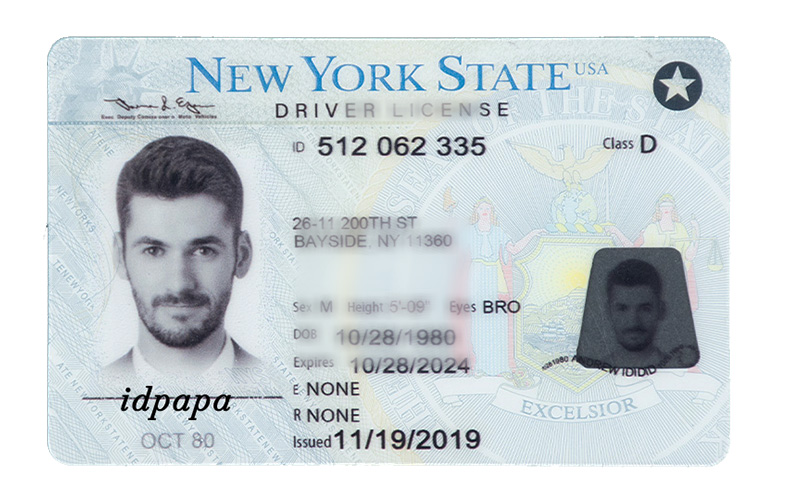
●Behind the Scenes: How IDPAPA Ensures Quality in New York Fake IDs provides transparency in production standards, akin to how developers and communities create secure and credible digital environments for avatars.
●Welcome to the ID Wall: Why Gen Z Dorm Rooms Double as Identity Museums explores the cultural significance of collecting and displaying identities, illustrating how both digital and physical representations of self are curated and celebrated.
Ethical Considerations and Digital Responsibility
As digital doppelgängers and fake IDs grow in prominence, questions of ethics and responsibility naturally arise. Digital avatars can be misused for impersonation or deception, just as fake IDs can be employed outside legal or safe contexts. Resources like IDPAPA Fake ID Review provide honest guidance, emphasizing responsible usage while educating users about potential pitfalls. Similarly, gaming communities encourage respect for others’ digital identities and fair play, reflecting a shared ethical framework between virtual and real-world identity experimentation.
The Future of Identity: Merging Digital and Physical Worlds
The continued evolution of gaming culture and identity replication technologies suggests that digital and physical identities will become increasingly interconnected. Platforms like IDPAPA exemplify this trend by providing tangible tools for identity experimentation while supporting virtual identity exploration through education and resources.
Digital avatars and fake IDs together illustrate how identity is no longer singular or fixed. Players and users can inhabit multiple personas, navigating both virtual worlds and real-life experiences with fluidity. As these trends expand, individuals will gain unprecedented freedom to express themselves across overlapping digital and physical spaces.
Wrap Up
The rise of digital doppelgängers demonstrates the profound ways in which technology reshapes identity. By drawing parallels between gaming avatars and high-quality fake IDs, it becomes clear that identity is both a personal and cultural artifact, subject to expression, experimentation, and celebration. Platforms like IDPAPA provide tools, knowledge, and reliable access to explore these identities safely and creatively.
As we embrace the convergence of gaming culture, virtual avatars, and real-world identity tools, it is essential to acknowledge the balance between freedom and responsibility. The digital doppelgänger is more than a novelty—it is a reflection of human creativity, adaptability, and the evolving understanding of self in the 21st century.