
The Party Icebreaker: Why Fake IDs Are More Popular Than Selfies in Student Nights
The Party Icebreaker: Why Fake IDs Are More Popular Than Selfies in Student Nights
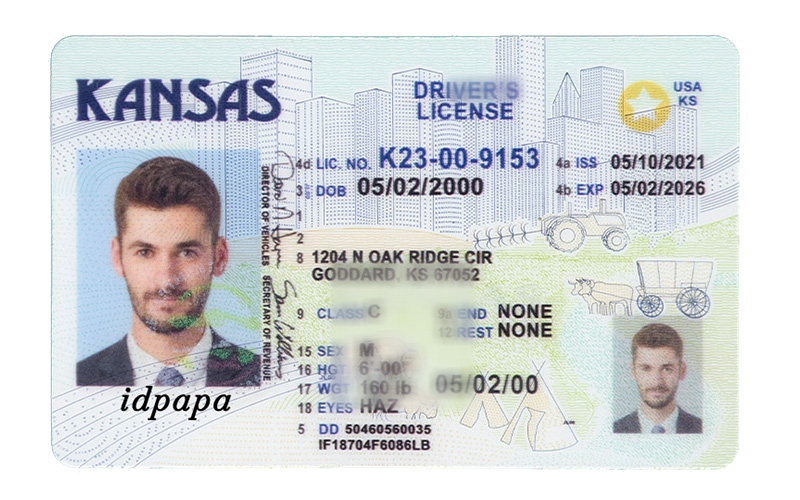
Opening Vibes: Nights That Need a Spark
Every student knows the ritual of walking into a party: music is pumping, the drinks are flowing, and the room is filled with faces both familiar and unknown. In those moments, the question is simple how do you break the ice? For years, selfies were the default tool. Groups huddled together, flashing peace signs for Instagram stories. But in the ever-changing culture of student nightlife, a new prop has stolen the spotlight: novelty fake IDs.
Cards with ridiculous titles like “Dean of Dance Floors” or “Certified Karaoke King” are now circulating through dorms and parties, making strangers laugh faster than a photo ever could. Unlike selfies which freeze a moment fake IDs create interaction, sparking conversations, jokes, and even inside stories that last long after the night ends.
Platforms such as IDPapa have become the backbone of this cultural shift, offering students creative tools to turn every night into a stage for identity play and shared humor.
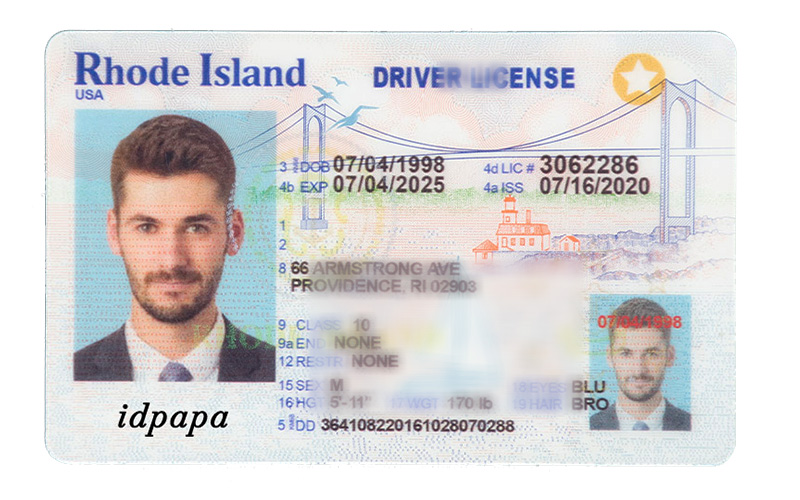
Why Selfies Lost Their Shine
Selfies will always have a place in student culture, but their power has dulled:
●Over-Saturation – Social feeds are flooded with endless selfies, making them less unique.
●One-Dimensional – A selfie captures faces, but not stories. It doesn’t say who you are in the way a novelty ID can.
●Short Shelf Life – A selfie is posted, liked, and forgotten. Fake IDs live on as props, wall décor, and even collectibles.
In a generation obsessed with storytelling, selfies simply don’t carry the same weight they once did. Students want more than a snapshot—they want an experience.
Fake IDs as the New Party Language
At their core, novelty IDs are conversation starters. Imagine a stranger handing you a card that reads: “Vice President of Pizza Runs.” It’s impossible not to laugh, and the laughter opens the door to connection.
●Shared Humor – Partygoers immediately find common ground through absurd titles.
●Personality on Display – IDs show quirks in ways a smile never could.
●Endless Remixing – Groups create themed IDs for parties, from “DJ Chemistry Lab” to “Minister of Midnight Snacks.”
In many ways, novelty IDs serve the same purpose as fraternity shirts or sorority pins—they turn belonging into something visible and playful.
The Convenience Factor
The appeal of fake IDs also lies in how easy they are to create and access. Through IDPapa’s shop, students browse endless designs. Customization is seamless on the order page, while the photo guide ensures even a quick dorm selfie becomes a perfect ID shot. With secure payment options and accounts managed via login, the process is as effortless as ordering pizza for the pregame.
This ease of access is part of what has made IDs so central to student nightlife—they’re not just a one-off gimmick, but a reliable part of the party toolkit.
Student Nights in the Digital Age
The rise of fake IDs also aligns with the broader culture of digital storytelling:
●TikTok Moments – Students film skits around their IDs, introducing alter egos in seconds.
●Instagram Humor – Sororities post parody IDs like “Queen of Cupcakes” to personalize feeds.
●Snapchat Challenges – “Show us your party ID” prompts become viral within a campus network.
Unlike selfies, which serve the individual, novelty IDs serve the group—building shared digital narratives that reflect the culture of the night.
Collectibles, Memories, and Identity Walls
Selfies vanish into feeds, but fake IDs stick around. Students tape them to dorm doors, pin them above desks, or build full-on collages known as ID Walls—a trend documented in IDPapa’s blog on identity museums.
Each card becomes a snapshot of a role played during a night: the “Uno Champion” from game night, the “Master of Moves” from the dance floor. Over time, they form a collective diary of experiences—far richer than a string of selfies.
Quality That Fuels Culture
The reason fake IDs have caught on is not just humor—it’s quality. Students want props that look legit while still being clearly novelty. Behind-the-scenes insights into IDPapa’s process show how much detail goes into ensuring cards feel durable and design-rich.
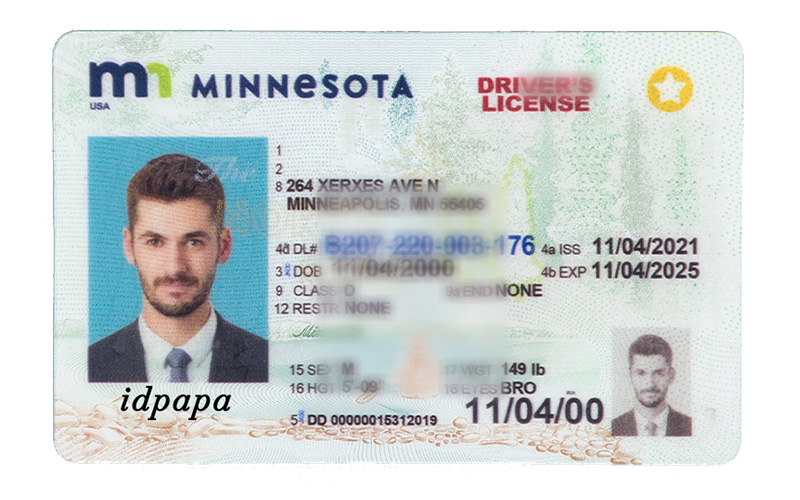
From state-themed IDs like Illinois to specialty designs from Missouri, the options allow students to match their humor with styles that look polished on camera and in-hand.
The Social Psychology of Fake IDs
Why are novelty IDs more effective icebreakers than selfies? Psychology offers a clue:
●Projection – IDs allow students to project fun personas without risking vulnerability.
●Belonging – Carrying or sharing an ID signals membership in the moment.
●Memorability – Humor creates stronger memories than repetitive images.
In short, fake IDs don’t just capture faces—they capture identity in motion.
Looking Ahead: The Future of Party IDs
The popularity of fake IDs in nightlife is just the beginning. Imagine:
●AR Party IDs – filters that overlay parody IDs in real time.
●NFT Party Credentials – unique collectible IDs for virtual events.
●Cross-Campus Challenges – where IDs become memes shared beyond individual schools.
The evolution is clear: what started as a physical prop is transforming into a digital movement that will shape how student nights are remembered.
Closing Beat
Selfies once defined student nightlife, but in today’s culture of parody, humor, and shared storytelling, they’ve lost their crown. Novelty IDs have stepped in, not just as props but as symbols of belonging, laughter, and creativity. They are icebreakers, memory-makers, and conversation starters rolled into one.
With IDPapa driving innovation and accessibility, the student party scene has entered a new era one where the most valuable accessory isn’t your phone’s front camera, but a pocket-sized card that says everything a selfie can’t.