
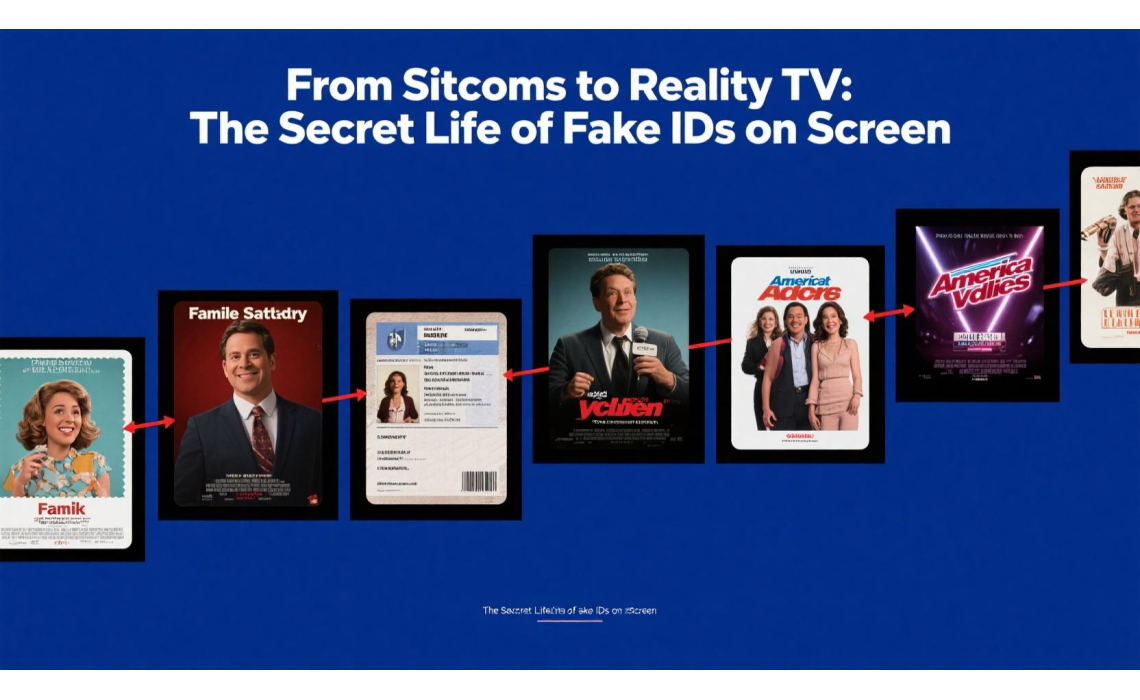
From Sitcoms to Reality TV: The Secret Life of Fake IDs on Screen
From Sitcoms to Reality TV: The Secret Life of Fake IDs on Screen
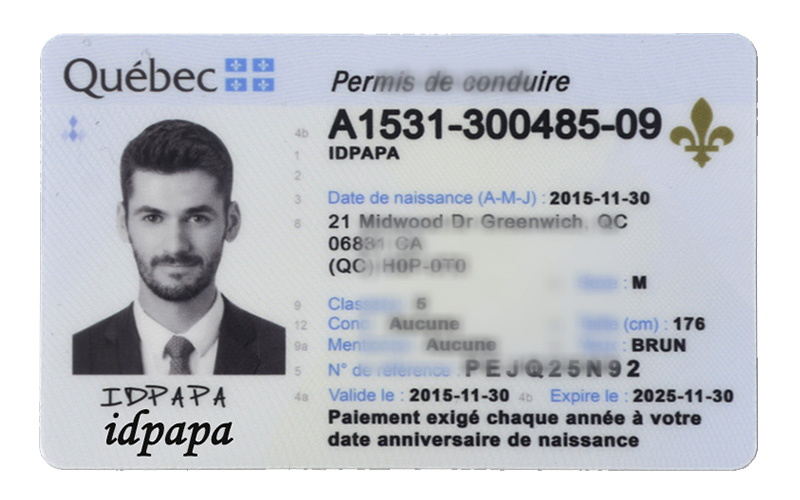
Television has always thrived on props. From the iconic couch in Friends to the coffee mugs in Gilmore Girls, the little objects characters carry with them often become cultural icons. But in recent years, one unlikely object has made its way from a comedic side gag to a starring role: the fake ID.
From sitcoms to reality TV, novelty IDs have been used to build characters, push storylines, and deliver laugh-out-loud moments. They’re symbols of rebellion, identity confusion, and playful deceit themes that resonate deeply with audiences. What makes them so compelling is their ability to instantly tell a story. The moment a character pulls out an ID, the audience is prepared for a twist, whether it’s hilarious, awkward, or absurd.
This blog takes a deep dive into the secret life of fake IDs on screen, exploring how they’ve evolved from punchlines to narrative drivers, why audiences love them, and how platforms like IDPapa are fueling the demand for these unique storytelling tools.
Fake IDs in Sitcom History: A Prop With Punchlines
Sitcoms are built on quick setups and snappy payoffs. Few props work as efficiently as a fake ID. In That ’70s Show, a group of teens flashing mismatched IDs creates instant humor. In Brooklyn Nine-Nine, Jake Peralta whips out novelty credentials to prove his undercover persona, adding absurdity to already comedic situations.
Why do fake IDs work so well in sitcoms? They’re instantly recognizable. The audience doesn’t need an explanation they know exactly what’s happening. Whether it’s a teenager pretending to be 21 or a grown adult presenting an ID that lists their profession as “Professional Pizza Tester,” the humor is immediate.
For creators and prop masters, authenticity matters. The closer the ID looks to the real thing, the better the joke lands. This is why sites like IDPapa’s blog library often highlight how novelty IDs designed with care are increasingly sought after by professionals in entertainment.
Fake IDs in Reality TV: Creating Characters Out of Thin Air
Reality TV thrives on drama, but it also relies heavily on humor and identity play. Contestants are often encouraged to exaggerate their personalities, and fake IDs have become a fun way to take that exaggeration to new heights.
Imagine a contestant on a dating show whipping out a novelty card that reads “Certified Heartbreaker” or “Professional Ghoster.” The audience laughs, the moment goes viral, and the contestant secures their place in meme culture. In competition shows, fake IDs often appear in themed challenges, acting as humorous credentials that contestants can proudly display.
These IDs work not only for laughs but also for branding. They help contestants build personas that stick in the minds of viewers. Just as a tagline or catchphrase can define a reality TV star, so too can a novelty ID. For creators looking to replicate this trend, platforms like IDPapa’s shop provide endless options for customization.
Why Fake IDs Resonate With Audiences
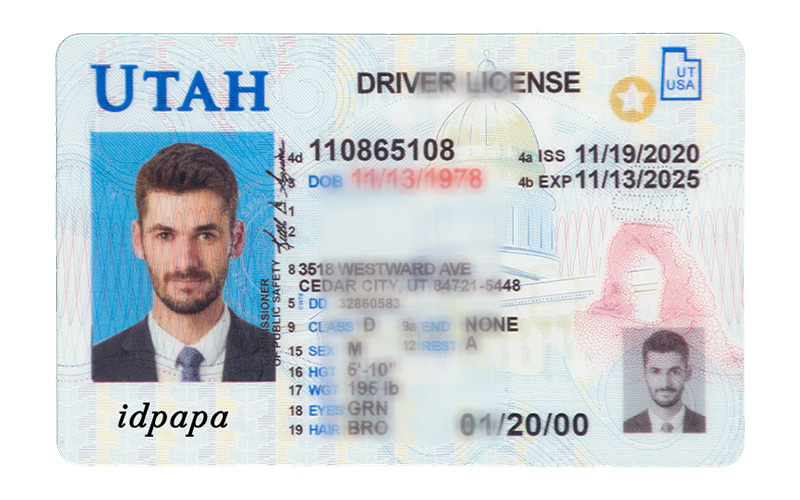
Television audiences love fake IDs for the same reason comedians and TikTok creators do they strike a balance between familiarity and absurdity. On screen, a single glance at an ID card can make people laugh, raise curiosity, or set the stage for a new twist in the story. The power lies in their instant recognizability. Everyone knows what an ID looks like, which makes it the perfect tool for comedy, drama, or even satire. This balance between the ordinary and the exaggerated ensures fake IDs continue to charm audiences across different formats.
Visual Comedy is one of the strongest reasons for their success. Audiences love spotting the small, silly details that writers and performers sneak onto novelty IDs. Whether it’s a fake birthday set centuries in the past or a job title like “Master of Snacks,” viewers often pause or rewind just to catch what’s written. This creates extra engagement because fans feel rewarded for paying attention, and those tiny details often get shared as memes or screenshots long after the episode airs.
Relatability is another key factor. Almost everyone has encountered IDs in real life whether applying for a driver’s license, showing proof of age at a club, or dealing with airport security. This shared experience gives fake ID jokes universal appeal. It doesn’t matter where you come from; the sight of a mismatched photo or ridiculous birthdate on a novelty ID resonates instantly. Comedy built around these everyday moments feels personal, which makes it more memorable.
The idea of a narrative shortcut also explains why fake IDs click so well with audiences. A single card instantly tells the viewer who a character is trying to be without long explanations. It’s a visual prop that establishes identity, role, or intent in seconds. A teenager pretending to be 30, a secret agent introducing themselves with a ludicrous alias, or a reality TV contestant flashing a “Professional Drama Starter” card all of these scenarios land quickly because the audience doesn’t need context. The card says it all.
Finally, fake IDs thrive as a symbol. IDs represent authority rules, laws, and systems that people must follow. Mocking them feels like a playful act of defiance, a way of bending authority without real consequences. This cheeky rebellion adds to their charm and makes them a powerful comedic prop. The success of IDs on screen mirrors their popularity in digital culture, where they’ve become memes, merchandise, and collectibles. This growing fascination has only boosted the demand for high-quality novelty cards from trusted providers like IDPapa, who continue to give creators the tools to keep audiences laughing.

Behind the Scenes: How Prop Masters Use IDs
Television productions invest heavily in prop realism. A poorly designed fake ID can break the illusion and ruin a joke. This is why behind-the-scenes professionals value providers that deliver believability, durability, and detail.
Consider the intricate craftsmanship highlighted in IDPapa’s New York feature. Prop masters know that a close-up camera shot demands flawless printing and accuracy. Similarly, productions with region-specific storylines benefit from tailored IDs, such as those described in IDPapa’s Illinois overview.
From sitcom stages to reality TV confessionals, these behind-the-scenes decisions make the difference between a throwaway gag and a viral moment.
Collectible Culture: IDs Beyond the Screen
What’s fascinating is how novelty IDs don’t stop once filming wraps. Fans often request replicas of the IDs they see on screen, turning them into pop culture collectibles. Dorm rooms, fan conventions, and even social media feeds are full of ID “walls” where young audiences showcase their favorite designs.
This cultural trend is explored in Welcome to the ID Wall, where IDs are framed as souvenirs of identity and humor. In many ways, they’ve become more than props they’re keepsakes, identity badges, and conversation starters.
For fans who want their own versions, platforms like IDPapa make it simple to order. With easy-to-follow processes at order, photo submission tips on how to take fake ID photos, and secure payment steps on how to pay, the journey from screen to personal collection is seamless.
Comedy Meets Storytelling: IDPapa as a Partner
What sets fake IDs apart from other props is their ability to blend humor, storytelling, and identity. They aren’t just visual gags; they’re narrative devices that build characters and deliver cultural commentary. From sitcom scripts to reality TV improvisations, they provide endless creative opportunities.
For creators, comedians, or fans who want to tap into this energy, IDPapa has become the ultimate partner. Whether it’s through buying fake IDs online, finding the best fake ID for college, or exploring a reliable novelty ID store, IDPapa ensures quality and creativity go hand in hand.
Case studies like The Best Fake Driving License Review and Missouri insights prove that the platform isn’t just a supplier it’s a hub for creators who take their props seriously.
The Future of Fake IDs on Screen
Looking ahead, fake IDs are set to play an even bigger role in television. With augmented reality, digital streaming, and interactive content, IDs could become dynamic props that change in real time, allowing audiences to interact with them. Imagine a reality show where fans vote on contestants’ “fake ID identities,” or sitcom episodes where AR cards appear on-screen for viewers watching at home.
As entertainment grows more immersive, novelty IDs will continue bridging the gap between humor and identity. They’ve already proven their power to capture laughs, build characters, and engage audiences. The secret life of fake IDs is no longer a secret it’s an entertainment revolution.
Final Thoughts
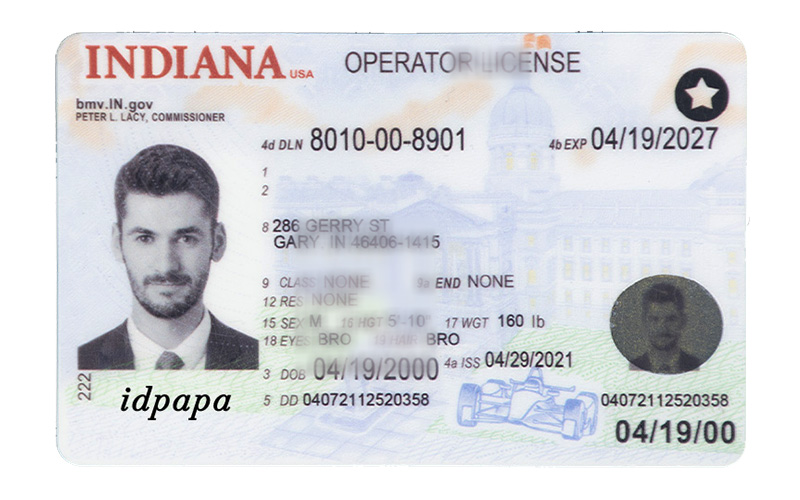
From sitcoms to reality TV, fake IDs have journeyed from background props to central comedic devices. They make us laugh, they build character arcs, and they double as cultural artifacts long after the credits roll. Audiences adore them because they’re funny, relatable, and endlessly remixable.
For creators and fans alike, IDPapa remains the go-to solution, providing quality novelty IDs that inspire stories, fuel comedy, and create lasting impressions both on and off screen. The entertainment industry may evolve, but one thing is certain: fake IDs will continue to prove that sometimes the smallest props deliver the biggest laughs.