
Swipe to Belong: How Fake IDs Build Instant Community in Online Tribes
Swipe to Belong: How Fake IDs Build Instant Community in Online Tribes
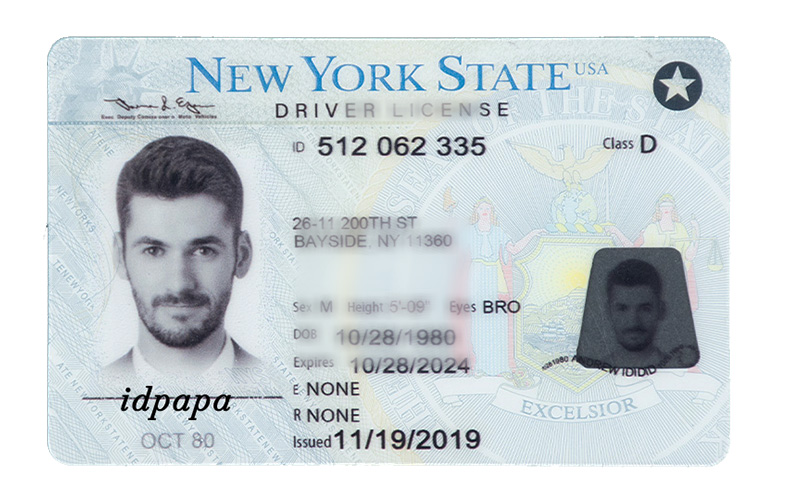
In today’s digital-first world, identity is more than just a legal formality it’s a social currency. For many young adults and Gen Z users, belonging to an online or offline community often starts with small gestures of validation, recognition, and shared experience. One of the more unexpected ways this sense of community is cultivated is through fake IDs, particularly novelty IDs that serve as a symbol of status, membership, and trust within peer networks.
The phenomenon might seem counterintuitive: how can something technically “illegal” or playful foster genuine social bonds? The answer lies in the psychology of belonging, shared identity, and the ways novelty intersects with personal expression.
The Role of Fake IDs in Social Identity
At first glance, a fake ID is simply a card designed to resemble official government identification. But for many, it’s a ticket into social spaces that were previously inaccessible college bars, exclusive online forums, themed events, and even influencer meetups.
By possessing a fake ID, users are able to navigate spaces where trust and access are otherwise gatekept. Within these spaces, the ID acts as a form of social proof: it signals that the holder is part of a group that shares certain experiences, norms, and values. This is particularly powerful in online tribes, where identity markers are often digital or symbolic, and being recognized as “in the know” is highly valued.
Websites like IDpapa have become central to this phenomenon, offering high-quality, reliable novelty IDs that provide users not only access but also confidence in their social interactions.
“Building Blocks of the Fake ID Scene”
Fake ID communities are supported by various pillars that ensure their growth, relevance, and impact. These include:
●Educational Content and Reviews: Blogs and reviews help users navigate which IDs are most effective, realistic, and suitable for their intended purposes. Resources like IDpapa Blogs and Fake ID Reviews provide guidance on choosing IDs for different states, colleges, or social settings. They also offer advice on quality, materials, and design.
●Accessibility and Usability: Product pages and functional tools make it easy for new users to obtain IDs and understand how to use them responsibly. Platforms like IDpapa Shop and How to Take Fake ID Photos simplify the process, while Order and Payment pages ensure secure, discreet transactions.
●Support and Community Integration: User login portals, such as IDpapa Login, provide returning customers with easy access to updates, offers, and communication with support staff further reinforcing the community experience.
Building Trust and Belonging
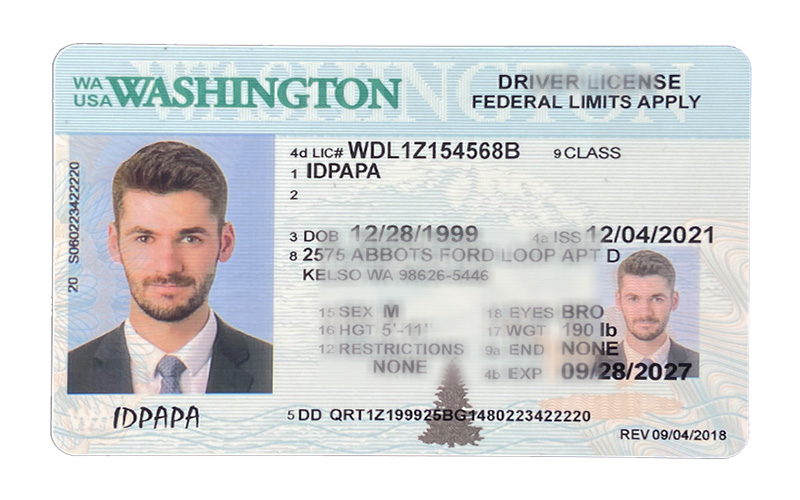
Fake IDs do more than grant access; they help form trust within peer networks. For example, a college student showing a novelty ID at a dorm event or campus gathering signals that they are part of a shared insider world. This can create instant rapport, spark conversations, and foster connections.
For many online tribes, discussions around fake IDs, experiences with bars, clubs, or even conventions, become a form of shared storytelling. Social media platforms, messaging groups, and forums allow users to exchange tips, experiences, and creative uses for their IDs. This network effect amplifies the sense of belonging: the more one participates, the stronger the identity association becomes.
Websites like Buy Fake ID Online and Best Fake ID for College provide not only the tools to obtain IDs but also act as cultural hubs where users discover communities of like-minded individuals.
Novelty as a Social Currency
The appeal of fake IDs extends beyond access they are novelty items that symbolize style, humor, and cultural literacy. Many users collect IDs, display them as part of personal collections, or share them online as part of identity expression. This aligns with broader trends where physical artifacts stickers, posters, pins, and novelty cards serve as tokens of group membership.
In online tribes, a fake ID can serve as a badge of belonging. A member showing a high-quality, well-crafted ID demonstrates attention to detail, social savvy, and insider knowledge all of which are respected within peer communities. Stores like Reliable Novelty ID Store cater to these desires, offering products that blend aesthetic appeal with functional usability.
State-Specific and Community-Focused
Different online communities often gravitate toward IDs that reflect specific states, cities, or college campuses. These clusters allow users to bond over shared geography or cultural familiarity. Some examples include:
●The Best Fake Driving License from IDpapa – Reviews of state-specific licenses and their realism.
●Navigating the World of IDs: Why Choose IDpapa for Your Illinois Fake ID – Focused insight into Illinois-specific novelty IDs.
●IDpapa: Your Go-To Source for Reliable Fake IDs in Missouri – Missouri IDs and their use within local social networks.
●Behind the Scenes: How IDpapa Ensures Quality in New York Fake IDs – Transparency on production and quality assurance.
●Welcome to the ID Wall: Why Gen Z Dorm Rooms Double as Identity Museums – How displaying IDs reinforces social identity and peer recognition.
These cluster-focused resources allow users to choose IDs that align with their social goals, helping them enter specific subcultures and online tribes with credibility.
The Psychology Behind Belonging
Belonging is a fundamental human need. Fake IDs, in this context, operate as a tool to meet that need, particularly in transitional periods like college or early adulthood. By granting access, signaling shared experiences, and enabling participation in social rituals, IDs help users carve out a space where they feel recognized, accepted, and validated.
Online tribes thrive on subtle markers of inclusion. The presence of a well-crafted ID can make the difference between feeling like an outsider and being embraced as a community member. It transforms a piece of plastic into a social artifact loaded with symbolic power.
Safety, Responsibility, and Cultural Context
While fake IDs can foster social belonging, responsible use is essential. Platforms like IDpapa emphasize novelty and fun while guiding users to understand the limitations and appropriate contexts for using these products. Knowledgeable communities reinforce safe practices, creating a culture of responsible engagement alongside social exploration.
Endnote
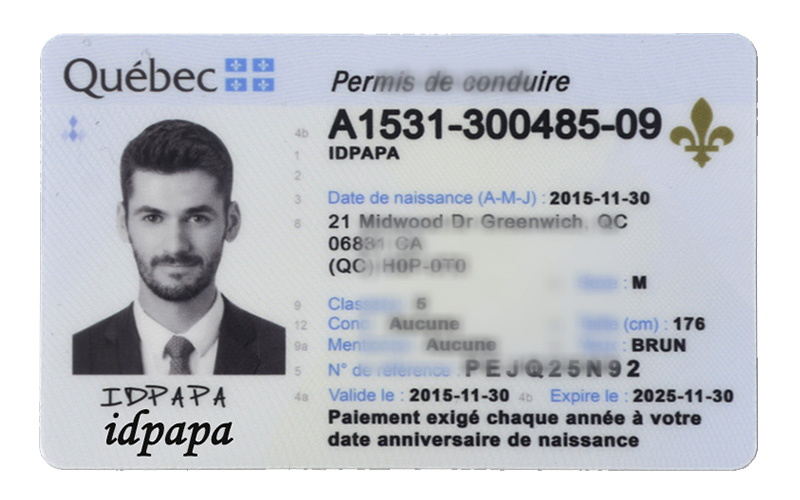
In the era of digital tribes and shared cultural experiences, fake IDs have evolved into more than mere tools of access they are instruments of social connectivity. From dorm rooms to online communities, from college bars to niche forums, these novelty IDs enable young adults to signal belonging, build trust, and participate fully in subcultural spaces.
Websites like IDpapa not only provide high-quality products but also curate a broader ecosystem where belonging, identity, and community converge. Through thoughtful product offerings, reviews, tutorials, and state-specific insights, they help users navigate the social and symbolic landscapes of modern youth culture.
For Gen Z and beyond, a fake ID isn’t just a card it’s a key to a world where instant community, recognition, and shared experience are just a swipe away.