

In the Nightclub Line: Why Bartenders Need Fake ID Training Now
In the Nightclub Line: Why Bartenders Need Fake ID Training Now
The Midnight Reality Check
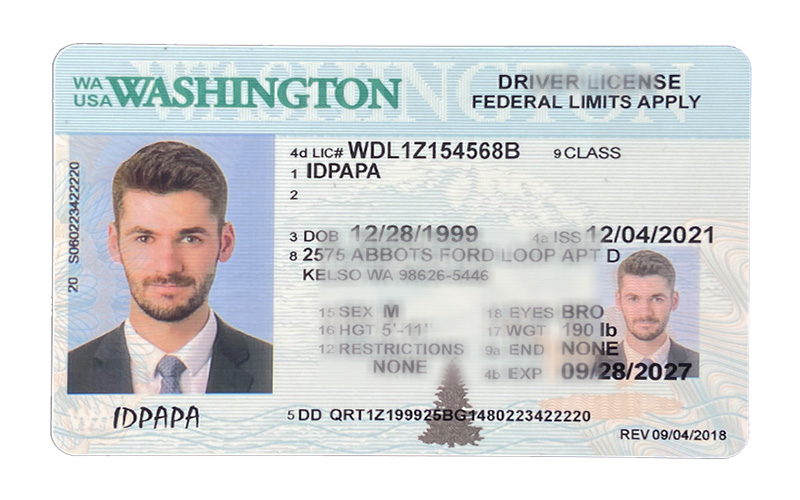
It’s a Saturday night, and the club is alive, music pulsing, lights strobing, and a line that wraps around the block. At the entrance, the bartender on door duty checks IDs in a rapid, practiced rhythm. Most pass without issue. But then, a card catches the light, and something feels off. The image is sharp, the colors perfect, but the hologram doesn’t quite match the official pattern.
In that moment, the bartender is more than a drink maker — they’re the first line of defense against costly fines and reputation damage. And in 2025, the fake ID scene has evolved so far beyond the cliché of flimsy laminates that, without proper training, even seasoned staff can be fooled.
For a deeper dive into how the ID world has changed, our blogs offer an inside look at both legitimate and novelty trends shaping nightlife culture.
How Fake IDs Have Transformed in the Last Decade
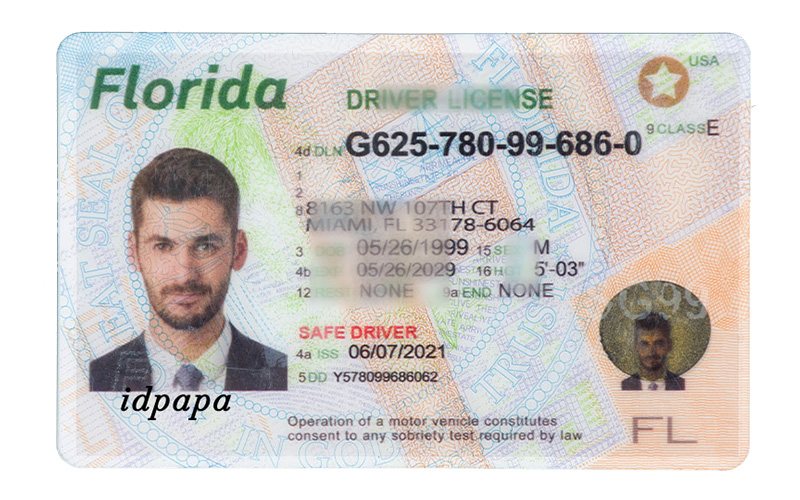
Gone are the days of paper-thin counterfeits. Today’s novelty IDs often use high-grade printing, microtext, and even AR elements that mimic government features. Some are built purely for fun — collectible designs from events, festivals, and roleplay communities — but in a dimly lit queue, that distinction is harder to make.
This shift has also been fueled by the rise of digital novelty IDs and AR filters, where a simple selfie can display a badge, pass, or license that looks startlingly authentic. And because novelty designs are part of a wider pop culture movement, bartenders must know not just what’s real, but also what’s harmless fun versus a liability.
For those curious about novelty craftsmanship, our fake ID review section breaks down the elements that make designs look convincing without crossing legal lines
Why Bartender Training Is No Longer Optional
Running a nightclub is expensive. One violation for serving an underage patron can cost thousands and, in some states, result in losing the liquor license entirely. That’s why more venues are starting to invest in bartender-led ID checks — a role once reserved for security.
Training now focuses on:
●Card construction knowledge — knowing how weight, texture, and lamination vary by state.
●Lighting techniques — using UV or angled lighting to spot inconsistencies.
●Behavioral cues — spotting nervousness, overconfidence, or rehearsed backstories.
Clubs that take this seriously often see fewer incidents, higher customer trust, and smoother operations. Venues looking to upgrade their internal protocols can browse tools and resources from industry leaders like IDPapa’s shop, where novelty designs are also available for educational use.
Blurring the Lines: When Novelty Meets Reality
Imagine this: A bachelor party rolls up, all wearing matching “VIP Groom Security” passes with holograms and serial numbers. They’re obviously meant as a joke — but at a glance, they could be mistaken for real security credentials.
This is where bartenders face the biggest challenge. The nightlife industry thrives on creativity and themed experiences, but when novelty props mimic official documents too closely, mistakes happen.
It’s one reason why resources like Welcome to the ID Wall have become popular reading — showing how ID culture has evolved into a visual art form with real social implications.
Making Training Engaging for Staff
Traditional compliance seminars are dull and forgettable. That’s why innovative venues are making ID training more like a game:
●“Spot the Fake” challenges during pre-shift meetings.
●Using custom novelty IDs from sources like IDPapa as safe, legal training props.
●Incorporating scenario roleplay, where one staff member pretends to be a customer with a questionable ID.
For bartenders who want to upskill on their own, guides like Best Fake ID for College offer an unexpected benefit — understanding how novelty IDs are designed for fun helps staff recognize them instantly in real life.
The Legal Stakes & Industry Pressure
Fines, license loss, bad press — the stakes are high. But beyond legal risk, there’s the social side: A viral video of a bartender letting an underage guest into the club could destroy trust in seconds.
That’s why venues are not just training staff but also documenting protocols for inspectors. Clubs that can show they’ve invested in detection measures are often treated more favorably in hearings.
Industry insiders recommend reviewing regional ID guides at least quarterly — something we’ve explored in state-specific insights for those working in areas with unique license designs.
How Bartenders Benefit Personally
For bartenders, becoming an expert in ID detection is more than job security — it’s a career skill. High-end venues, cruise lines, and international events all value staff who can balance guest experience with compliance.
Plus, in some markets, certified training leads to higher pay rates. Those who understand both novelty ID culture and official document security are in a rare position to bridge nightlife fun with operational safety.
For inspiration, check out our feature on workplace icebreakers — proof that understanding novelty IDs can be useful even outside the bar scene.
Closing the Nightclub Line Gap
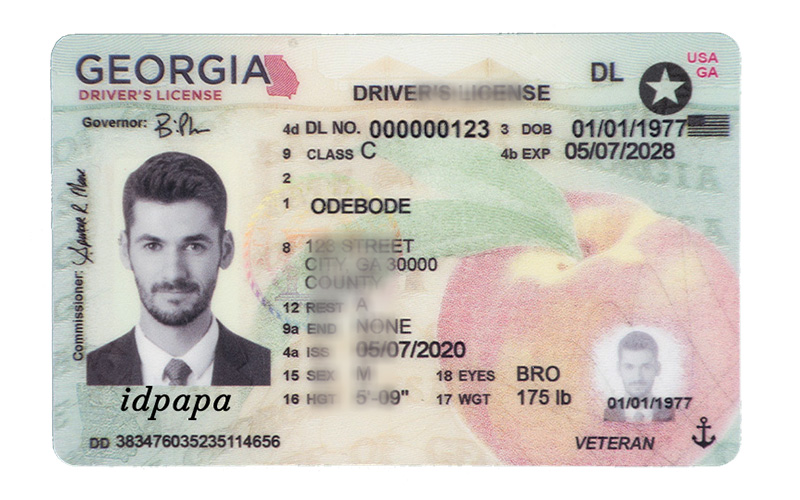
The nightclub line is more than a waiting space — it’s the filter between the outside world and the controlled environment inside. Bartenders who master fake ID detection are protecting not only their employer but also the atmosphere and safety of the venue.
In 2025, fake IDs aren’t going anywhere. They’re evolving, diversifying, and blending into pop culture in ways that make them both a creative medium and a compliance challenge. For the nightlife industry, investing in bartender training now is the smartest way to keep the line moving, the music playing, and the drinks flowing.
To explore more about ID culture and professional-grade novelty designs, start with IDPapa’s main hub and dive into our full blog library.